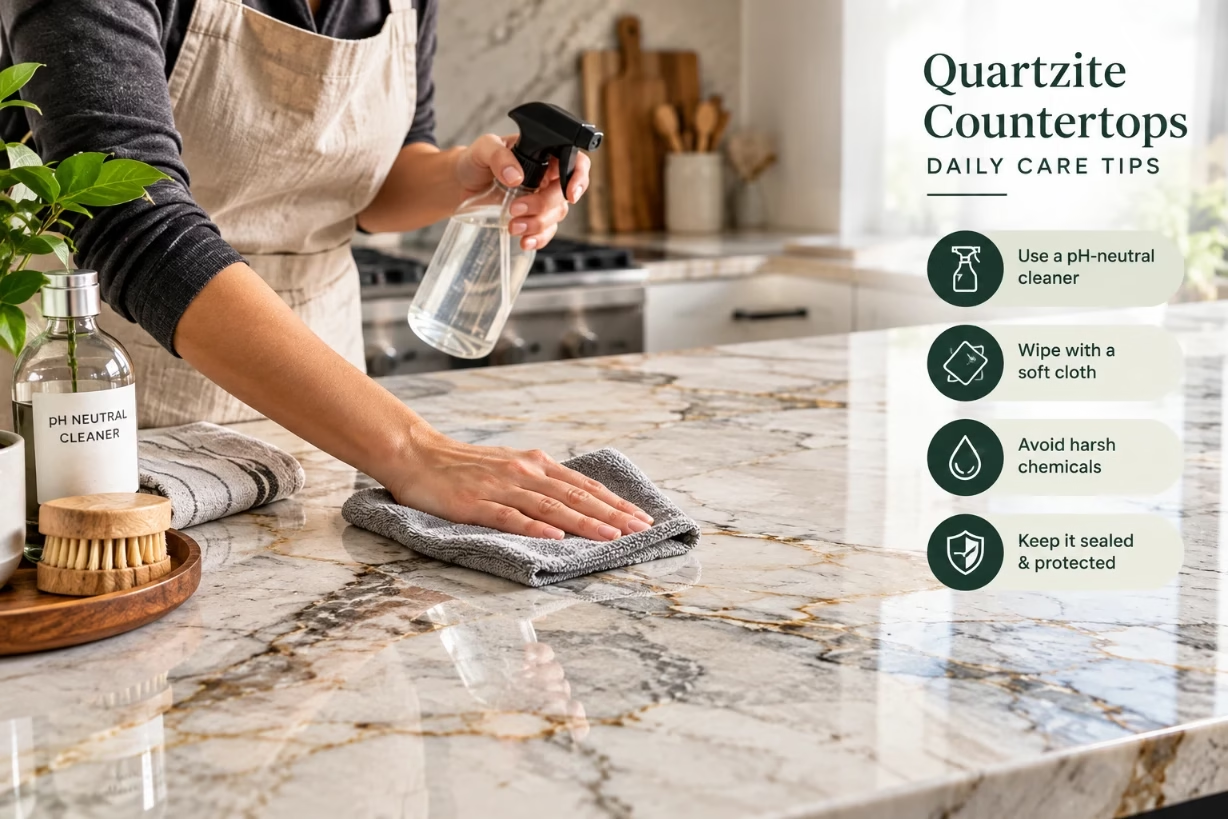
If you want to know how to clean quartzite countertops each day, use a soft cloth, warm water, and a small amount of pH neutral cleaner, wipe spills right away, dry the surface fully, and avoid harsh products like bleach, vinegar, or abrasive pads that can wear down the stone sealer.
Quartzite countertops look calm and solid, but they still need steady care. When someone asks me how to clean quartzite countertops, I do not just talk about products. I talk about habits. Daily habits are what keep that soft glow, stop stains from grabbing hold, and keep the stone feeling smooth under your hand for many years.
Why Daily Care Matters For Quartzite Countertops
Quartzite is a natural stone that starts as sandstone and hardens under heat and pressure. It is tougher than many other stones, but it is not invincible. The surface is usually sealed to protect it from stains and water. That sealer is like a clear raincoat. Strong chemicals, rough scrubbing, and built-up grime can slowly break that coat down.
When you learn how to clean quartzite countertops the right way, you are really learning how to protect that seal. A healthy seal helps the stone resist stains from coffee, oil, wine, tomato sauce, and other everyday spills. Skip gentle daily care and you end up doing more deep cleaning, more stain removal, and more stressful scrubbing, which is exactly what you want to avoid.
How To Clean Quartzite Countertops Each Day
Let me walk through a simple daily routine you can actually follow. You do not need a shelf full of fancy products. A few basics, used the right way, will keep your quartzite looking clean and bright.
Step 1: Clear Off The Countertop Surface
Before you start to clean, move small items out of the way. Pick up mail, move the coffee maker or toaster a little, shift cutting boards and spice jars. You do not need to empty the whole kitchen, but give yourself enough clear space so you can wipe without bumping into things.
This sounds obvious, but I see many people spray cleaner around clutter. The cleaner never reaches all the crumbs and film hiding behind jars and appliances. When you want to know how to clean quartzite countertops thoroughly, making space is the first small step that makes a big difference.
Step 2: Wipe Crumbs And Loose Debris
Use a dry microfiber cloth or a soft dish towel to sweep off crumbs and loose bits of food. Work from the back of the counter toward the edge so you are not just pushing crumbs around. If you like, you can use a handheld vacuum with a soft brush attachment, but keep plastic edges from scraping the stone.
Avoid using anything sharp to scrape off stuck food. A knife or metal spatula can leave tiny scratches that catch grime later. If something is really stuck, let it soak under a damp cloth for a few minutes instead of attacking it with a sharp edge.
Step 3: Mix Gentle Daily Cleaning Solution
For everyday use, you do not need a heavy-duty cleaner. For many kitchens, warm water plus a few drops of gentle dish soap is enough. If you prefer, you can buy a stone-safe or quartzite-safe pH neutral cleaner. The key is that it should not be acidic, not be bleach based, and not be abrasive.
When people ask me how to clean quartzite countertops without damaging them, this is my rule of thumb: if the cleaner is labeled for natural stone or granite and says pH neutral, that is usually safe. Avoid anything that brags about cutting limescale, dissolving hard water, or stripping soap scum. Those are often acidic or very strong.
Step 4: Wipe The Surface With A Damp Cloth
Dip a clean microfiber cloth or soft sponge into your warm, soapy water. Wring it out well. You want it damp, not dripping. Working in small sections, wipe the quartzite in smooth, overlapping strokes. Pay attention to areas near the stove where grease can build up, and around sinks where soap can leave a film.
If you see a dull, cloudy patch, that is often just dried soap or mineral residue from water. Do not panic. Keep wiping with fresh, clean water passes until the film lifts. This is another reason to keep your cleaner mild. With a gentle solution, you can wipe often without fear.
Step 5: Rinse With Clean Water
After you clean with soapy water or a stone cleaner, it helps to go over the surface with a cloth dampened only with clean water. This extra step removes leftover cleaner so it does not dry into streaks or a sticky film. It only takes a minute and keeps the quartzite feeling smooth under your fingertips.
Step 6: Dry And Buff To A Soft Shine
Use a dry, lint free cloth to wipe the countertop dry. Microfiber works best. Move the cloth in circles or long strokes and you will see the natural sheen of the quartzite return. Leaving water standing on the stone every day can slowly stress the sealer, especially around sinks and faucets, so I try to make drying a normal part of how to clean quartzite countertops.
What To Avoid When Cleaning Quartzite Countertops
Sometimes the most helpful cleaning advice is what not to do. Quartzite is tough, but a few common products can still cause harm over time. If you want to keep the stone and the sealer in good shape, keep these away from your counters.
Skip Acidic Cleaners And DIY Vinegar Mixes
Many home cleaning tips mention vinegar or lemon juice for hard water spots. Do not use them on quartzite countertops. Even if the stone itself is not deeply etched right away, repeated use of acids can weaken the sealer and dull the surface. The same goes for citrus based cleaners, bathroom descalers, and grout haze removers.
Avoid Bleach, Ammonia, And Harsh Chemicals
Strong chemicals do not belong in your plan for how to clean quartzite countertops. Bleach sprays, oven cleaners, ammonia based glass cleaners, and disinfecting wipes with rough textures can all stress the sealer and may discolor the stone over time. If you need to disinfect, use a stone safe disinfectant or a very diluted, pH neutral cleaner made for natural stone.
Keep Abrasive Pads And Powders Away
Anything that feels gritty between your fingers is too rough for quartzite. Powder cleaners, scouring powders, steel wool, and some scrub pads can leave tiny scratches. Those scratches may not be very visible at first, but they break the smooth finish and create places where dirt and stains can cling.
Instead, use soft sponges, microfiber cloths, or non scratch scrub pads that are labeled safe for nonstick pans and delicate surfaces.
How To Handle Spills On Quartzite Quickly
Daily care is easier when you handle spills right when they happen. This is probably the part of how to clean quartzite countertops that matters most for stain prevention. The longer a spill sits, the more time it has to seep through the sealer into the stone.
Dealing With Water, Coffee, And Juice
For simple spills like water, tea, or coffee without heavy dyes, blot with a paper towel or cloth, then clean that spot with your usual warm water and mild soap mix. Dry the area after you clean it. If you see a faint ring from coffee or tea, repeat the gentle cleaning a couple of times instead of reaching for strong chemicals.
Handling Oily Or Greasy Spills
Cooking oil, butter, salad dressing, bacon grease, and similar spills need quick attention. First, gently blot up as much oil as you can with dry paper towels. Do not rub hard, or you might spread the oil. Then clean with warm water and a bit more dish soap than usual, since soap helps break down grease.
If you still notice a darker patch, keep up the gentle cleaning over the next day or two. Many light oil marks fade as the stone and sealer release the oil slowly. This steady, patient approach fits the same mindset as the rest of how to clean quartzite countertops safely.
Colorful And Acidic Spills
Tomato sauce, red wine, berries, curry, and similar foods are both colorful and often acidic. Blot them up right away using a soft cloth or paper towel. Follow with your normal gentle cleaner and water rinse. Do not use baking soda pastes or magic eraser pads, since those can be too abrasive and may dull the surface in that spot.
Weekly And Monthly Care For Quartzite
If your daily routine stays simple and steady, you do not need a long weekend project just to keep quartzite clean. Still, there are a few extra steps you can take each week or month to keep the surface feeling fresh and to support the sealer.
Weekly: Focus On High Use Areas
At least once a week, pay extra attention to zones that get the most use, such as around the sink, next to the stove, and near the coffee station. Give these areas an extra pass with fresh warm water and your pH neutral stone cleaner. Dry them fully and check for any faint stains or water spots so you can deal with them early.
Monthly: Check For Dull Spots Or Water Rings
Over time, you might notice one patch of stone does not bead water like it used to, or it looks a bit dull compared to other areas. This can be a sign that the sealer is wearing thin there. Take note of these areas. You might adjust how you clean that section, or plan to reseal more often around sinks and prep spaces.
Part of how to clean quartzite countertops in a smart way is learning to read your own stone. Each kitchen is different. Some households cook heavy meals every day, others only lightly snack and reheat. Your cleaning rhythm should match your real life, not what a label guesses.
How To Remove Light Stains From Quartzite Safely
Even with great daily care, stains can happen. Maybe someone left a glass overnight. Maybe a guest dropped red wine and did not mention it. Do not blame yourself. Instead, use a gentle, step by step approach that respects the stone.
Testing A Stone Safe Cleaner
If you have a stone specific cleaner made for stain removal, always test it in a hidden spot first, like under a small appliance or in a corner. Follow the directions closely. Do not rush the process or leave any cleaner on the stone longer than suggested.
Gentle Lifting, Not Aggressive Scrubbing
When learning how to clean quartzite countertops that already have a light stain, think in terms of lifting the stain out, not grinding at it. Use soft cloths, fresh solutions, and patience. Work in small circles and rinse well. If the stain improves even a little, keep going gently over a few sessions instead of attacking it all at once.
Heat, Cutting, And Everyday Habits That Protect Quartzite
Cleaning is only one side of caring for quartzite. The way you cook, chop, and place hot items also affects how often you will need serious cleaning or repair. I like to connect this to the full picture of how to clean quartzite countertops, because good habits reduce damage that cleaning alone cannot fix.
Use Cutting Boards, Not The Bare Stone
Quartzite is hard, so it will usually scratch your knives long before your knives scratch it. Still, cutting directly on the stone can leave faint marks, and more often it creates rough spots in the sealer. Always use a cutting board. It is easier on your knives, and it keeps the surface smoother which makes day to day cleaning faster.
Place Hot Pads Under Pans
Quartzite can handle some heat, but sudden, strong temperature changes can stress both the stone and the sealer. Get in the habit of placing trivets or hot pads under pans, slow cookers, and baking sheets. This habit helps stop faint rings or dull spots from repeated heat exposure.
Wipe Up Around Appliances
Stand mixers, coffee makers, air fryers, and blenders tend to leak small drips of oil, coffee, or batter. Slide these appliances forward once in a while and wipe underneath. When someone asks me how to clean quartzite countertops well enough that they always look even, this is a spot I always mention, because hidden grime around appliances creates random dull patches.
Resealing Quartzite And Why It Matters For Cleaning
Most quartzite countertops are sealed during or after installation. Over time, that sealer wears down from daily use, cleaning, and normal life. How often it needs to be reapplied depends on the product, the stone, and how busy your kitchen is, but many homes fall somewhere between every one to three years.
Here is why this matters if you care about how to clean quartzite countertops efficiently. A fresh, healthy sealer makes cleaning much easier. Spills sit on top of the surface longer. Wiping feels smooth, not grabby. You use less effort and gentler products to get the same result.
You can test your sealer by placing a few drops of water on a clean, dry spot. If the water beads up for several minutes, your sealer is likely still doing its job. If the water quickly spreads out and darkens the stone, that area may need resealing. When in doubt, ask your fabricator or a local stone pro about the right sealer and schedule for your specific quartzite.
Simple Cleaning Kit For Quartzite Countertops
To make daily cleaning easy, I suggest keeping a small quartzite care kit in a nearby drawer or under the sink. You do not need much. The goal is to remove excuses so that how to clean quartzite countertops becomes a quick, almost automatic part of your routine.
- Soft microfiber cloths for daily wiping and drying.
- Gentle dish soap for warm water cleaning.
- Stone safe, pH neutral cleaner for deeper weekly wipes.
- Non scratch sponge or pad for light stuck-on spots.
- Paper towels for fast spill blotting.
When everything is within reach, you are more likely to wipe that small spill now instead of telling yourself you will handle it later. Small actions, done often, are the real secret behind how to clean quartzite countertops and keep them looking close to new.
Making Quartzite Care Part Of Your Daily Rhythm
I know life gets hectic. Some nights you are happy just to get the dishes rinsed and the kids in bed. Still, if you can link countertop care to habits you already have, it feels lighter. Maybe you wipe and dry the quartzite while the coffee brews in the morning. Maybe you do a quick pass with a damp cloth after loading the dishwasher at night.
Over time, this rhythm turns how to clean quartzite countertops from a chore into a simple ritual. You glance across the kitchen, see smooth, clean stone catching the light, and you know your small daily effort is paying off. The countertop becomes more than just a work surface. It becomes a calm, steady part of your home that quietly supports all the cooking, talking, and everyday moments that happen around it.
When you treat quartzite with this kind of steady, gentle care, you usually avoid harsh chemicals, frantic scrubbing, and expensive repairs. You protect both the stone and your own peace of mind. Warm water, soft cloths, and a mindful touch really are enough.