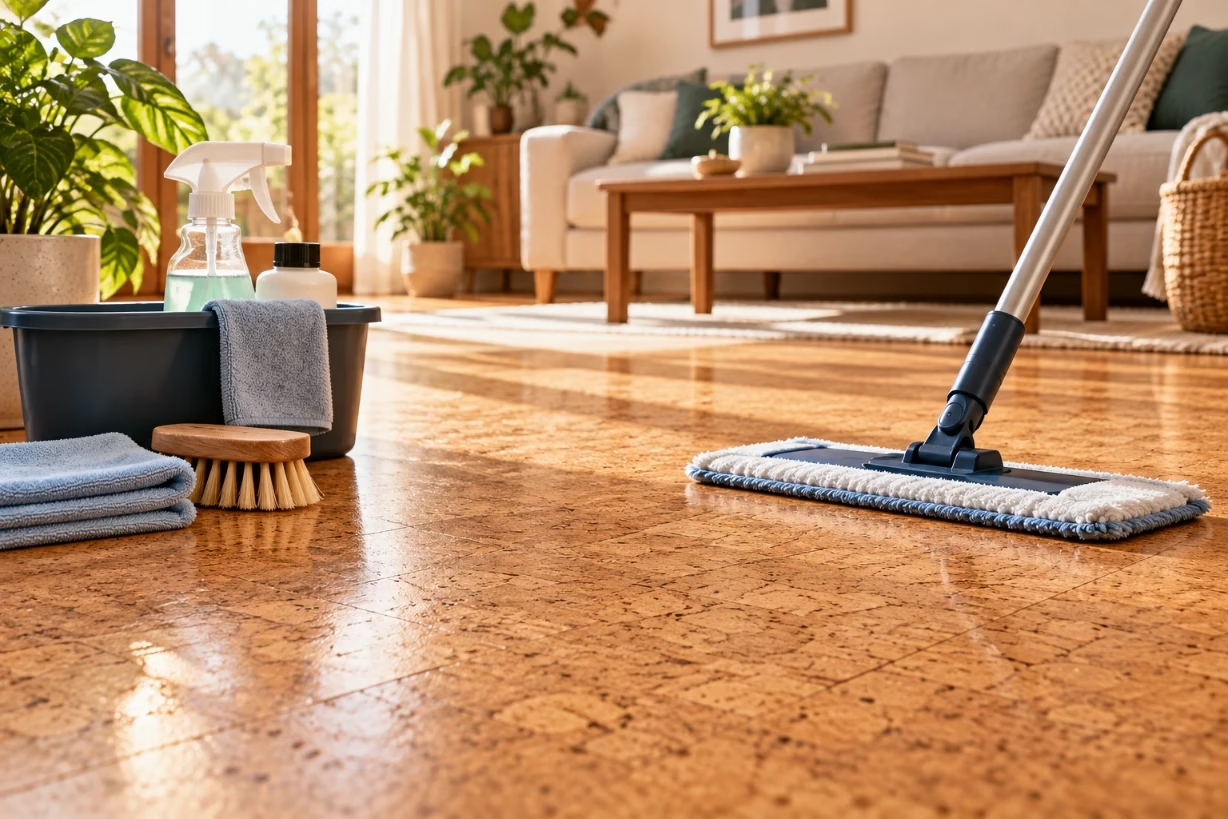
To clean cork flooring, I start by sweeping or vacuuming with a soft-brush tool, then damp mop using a pH-neutral cleaner made for cork or hardwood. I wring the mop very well so the floor never stays wet. For long life, I wipe spills fast and use felt pads and rugs.
Why cork flooring care matters more than most people think
If you are asking how to clean cork flooring, you probably already know that cork feels warm, soft, and quiet underfoot. What many people do not realize is how different cork is from hardwood, vinyl, or tile when it comes to daily care. Cork is a natural, porous material made from the bark of cork oak trees. That means it loves gentle treatment and hates standing water, harsh chemicals, and heavy scraping.
When I talk to homeowners about how to clean cork flooring, I remind them that cleaning is not just about looks. Good maintenance protects the finish, keeps the cork from drying out or swelling, and can easily double the lifespan of the floor. With the right routine, cork can stay beautiful and strong for decades. With rough cleaning habits, it can look tired and damaged in just a few years.
Know your cork: sealed, floating, or glue-down
Before I get into step by step instructions on how to clean cork flooring, I like to start with one key question: how is your cork finished and installed? The answer will guide how bold or cautious you should be with moisture and products.
Sealed cork with a factory finish
Most modern cork planks and tiles come with a tough factory-applied finish, usually polyurethane or a similar sealant. This finish is your first line of defense against moisture and staining. If you have this kind of floor, you can safely use a lightly damp mop as long as water never pools and you dry any extra right away. The better the finish, the more forgiving the floor will be when you clean it.
Site-finished cork flooring
Some older homes and custom jobs use cork that was installed and then finished on site. These floors may have polyurethane, oil, or a wax finish. If you are not sure, I suggest you start very gently. Test any cleaner in a small hidden area first. When you think about how to clean cork flooring of this type, act as if it is a delicate hardwood. Less water is always better, and harsh cleaners can strip the finish or dull the sheen.
Floating vs glue-down cork
Floating cork planks click together and sit on an underlayment. Glue-down tiles are bonded directly to the subfloor. For day to day cleaning, this does not change much. Where it matters is with excess moisture. Floating cork often has tiny gaps between planks where water can sink in. Glue-down cork can sometimes handle a little more moisture on the surface, but only if the finish is in good shape. Either way, if you wonder how to clean cork flooring without risk, the answer is simple: avoid wet mopping and stick to damp cleaning only.
Daily and weekly basics: how to clean cork flooring gently
The best way to keep cork looking good is to stop grit, dust, and small stones from acting like sandpaper on the finish. A consistent light routine does more than any deep clean later.
Dry cleaning: sweeping and vacuuming
Every routine about how to clean cork flooring starts with dry cleaning. I like to do this at least once or twice a week in low-traffic rooms, and daily in busy areas like kitchens or hallways.
Here is what works well:
- Use a soft-bristle broom or microfiber dust mop to pick up loose dust and crumbs.
- If you prefer a vacuum, choose one with a hard floor setting and a soft brush head.
- Turn off the beater bar or rotating brush so it does not scratch the cork.
Fine grit is the quiet enemy of cork. It might not look scary, but every step can grind it into the finish. Regular sweeping prevents those tiny scratches from building up into visible wear paths.
Light damp mopping routine
Even with regular sweeping, floors pick up oil from bare feet, spills, and sticky spots from cooking. This is where a damp mop comes in. When I explain how to clean cork flooring with a mop, I always stress one point: the mop should be barely damp, not wet.
My go to routine looks like this:
First, vacuum or sweep to remove all loose dirt. Next, fill a bucket with warm water and a small dose of a pH-neutral cleaner made for cork or hardwood. I follow the label exactly and never mix cleaners. Then I dip a microfiber mop into the solution, wring it out until it is almost dry, and mop in small sections. If I see any standing water, I wipe it with a dry cloth or towel right away.
Microfiber works better than string mops on cork because it holds less water and glides more smoothly. If your floor still looks wet several minutes after mopping, the mop was too wet. Make it drier next time.
Safe cleaners for cork: what to use and what to avoid
One of the biggest questions I get about how to clean cork flooring is which cleaning solutions are safe. Cork reacts badly to strong chemicals, so the wrong bottle can do more damage than the dirt ever did.
Cleaners that work well on cork
I look for these qualities in a good cork floor cleaner:
- pH-neutral and labeled for hardwood or cork
- No ammonia, bleach, or strong acids
- No oil-based soaps that leave a residue
You can also use a simple mild dish soap solution when needed. A few drops of gentle dish soap in a bucket of warm water can handle light grease. Just remember that less is more. Too much soap can leave a film that attracts more dirt.
Products and methods to avoid on cork
When you think about how to clean cork flooring safely, it helps to know the common mistakes. I never use steam mops on cork. The heat and vapor can break down the finish and force moisture into the seams. I avoid vinegar-heavy mixes, especially strong ones like half water, half vinegar. Over time, acid can dull the finish and dry the cork. I also skip abrasive powders, scrub pads, and any cleaner that promises to strip or “deep scrub” the surface. Waxes and oil soaps can look shiny at first but tend to leave a sticky layer that is hard to remove and can actually trap grime.
Dealing with spills, stains, and stubborn spots
Real life means spills, pets, and kids. Knowing how to clean cork flooring when something messy hits the floor can save you from permanent marks.
Fast action with liquid spills
Cork can swell if it soaks up water. That is why speed matters. I blot spills immediately with a soft cloth or paper towel instead of wiping back and forth, which spreads the liquid. Once the bulk is gone, I lightly wipe the area with a damp cloth and a bit of neutral cleaner, then dry it completely. This quick, calm approach works for coffee, juice, and most drinks.
Grease, food, and sticky messes
For oily spots or dried food, I place a warm, slightly damp cloth on the area for a minute to soften the mess. Then I gently rub with a microfiber cloth and a small amount of mild dish soap in water. I do not scrape with knives or metal tools. If a plastic scraper is needed, I keep it flat and move slowly to avoid gouging the cork. After the spot is gone, I rinse with a clean damp cloth and dry right away.
Stains that do not want to leave
Sometimes, especially on older cork floors with thin or worn finishes, a stain may sink into the material itself. When that happens, regular cleaning can only do so much. If you ask me how to clean cork flooring that has deep dark stains, my honest answer is that you may need spot refinishing. This could mean gently sanding the stained section and applying a matching finish. Because this can be tricky, I often recommend talking with a flooring pro for large damaged areas.
Preventive care: protect cork before it gets dirty
Learning how to clean cork flooring is only half the story. The other half is preventing damage and extra wear. Small habits can make a big difference over time.
Door mats, rugs, and traffic patterns
I always suggest using quality doormats at exterior doors to catch grit and moisture. Inside the home, flat, non-rubber-backed rugs in high traffic areas help protect the finish. In kitchens, a mat in front of the sink is almost a must. It guards against water drops and helps with comfort while you stand and cook.
Furniture pads and weight distribution
Cork is slightly soft by nature, which is part of its charm. That softness also means it can dent under sharp or heavy furniture legs. I place felt pads under chairs, tables, and couches, and I check them regularly for grit. For heavy items like pianos or bookcases, wide protectors help spread the load. When moving furniture, I lift instead of dragging whenever possible, or I use sliders made for hard floors.
Managing sunlight and temperature
Long, strong sunlight can slowly fade cork and dry out the finish. If you have big windows, light-filtering shades or curtains during peak sun hours can keep color changes more even. When I think about how to clean cork flooring in sunny rooms, I also think about simply rotating rugs and furniture once in a while so any aging happens more evenly. Normal home temperature and humidity usually treat cork well. Extreme swings, though, can cause expansion and contraction, which may stress joints and seams.
Deep cleaning and seasonal maintenance
Even with the best weekly habits, cork floors sometimes need a little extra care. When people ask me how to clean cork flooring for a seasonal refresh, I suggest a slightly more detailed version of the usual routine.
Step by step deep clean without damage
First, I move light furniture out of the way or to one side of the room. I do a very thorough vacuum with a soft brush, including under baseboard edges if the attachment allows. Next, I use a microfiber mop with a fresh, slightly stronger mix of neutral cleaner and water, still making sure the mop is well wrung out. I work in sections and change the water whenever it starts to look cloudy. For scuff marks from shoes, a white, non-scratch eraser pad used very gently can help. I always test it in a hidden corner and use light pressure so I do not dull the finish.
When to think about refinishing cork
Over the years, even careful cleaning cannot fully prevent fine scratches or a gradual loss of shine. At that point, no deep clean will bring back the original look because the finish itself is worn. If I see gray wear paths, exposed cork, or areas that no longer respond to safe cleaning, I start talking about refinishing. For many sealed cork floors, a pro can lightly sand the finish layer and apply new coats of polyurethane. Glue-down tiles usually handle refinishing better than some floating products, but it depends on the specific floor. Regular, gentle cleaning actually delays this whole process by preserving the protective finish for as long as possible.
Room-by-room tips: kitchens, bathrooms, and living spaces
How to clean cork flooring depends a little on where it is installed. Certain rooms bring special challenges, mostly related to moisture and traffic.
Cork flooring in the kitchen
Kitchens mix dropped food, splashed water, and constant footsteps. I keep a small towel or cloth handy near the sink so I can blot water right away. I also like to vacuum around cabinets and appliances more often since crumbs collect there. When cooking something that spits oil, such as frying, a washable mat underfoot can save you from greasy spots on the cork. The basic rules of how to clean cork flooring stay the same, but in kitchens I repeat them more often.
Cork in bathrooms and laundry rooms
Cork in a full bathroom or near laundry machines needs extra respect. Humidity and standing water from showers or leaks can cause trouble. I always recommend bath mats that catch drips near tubs and showers. I also tell people to never let wet towels sit on cork for long. If there is a bigger spill or minor overflow, I dry the area completely and then check seams and edges over the next day or two for any swelling.
Living rooms, bedrooms, and offices
In living areas and bedrooms, cork really shines because the traffic is usually moderate and there is less water risk. Here, how to clean cork flooring becomes almost simple: regular sweeping, occasional damp mopping, and good furniture pads. Office chairs with hard plastic casters can be tough on cork. I either swap in soft rubber casters or use a quality chair mat rated for hard floors.
Common myths about how to clean cork flooring
There are a few myths that keep popping up whenever people talk about cork floor care, and they can do real harm if you follow them blindly.
Myth 1: Cork floors need heavy water cleaning
Some people assume natural materials must be “soaked clean.” With cork, that is the worst idea. Soaking allows water to seep into seams, edges, and any tiny cracks in the finish. Over time, you can get swelling, cupping, or warped tiles. The safe truth about how to clean cork flooring is that a small amount of moisture goes a long way.
Myth 2: Vinegar is always safe and natural
Vinegar and water is a popular homemade cleaner for many surfaces. But regular use of strong vinegar solutions on cork can wear down the finish faster. A very mild mix now and then may not cause obvious harm, but there are better, safer options made for sealed wood and cork surfaces that do not risk etching or dulling.
Myth 3: Wax will fix dull cork floors
Wax might hide some scratches for a short time, but it also changes how the floor looks and behaves. Once you wax a cork floor, later refinishing can become more complex because the wax has to be removed first. Modern polyurethane finishes are usually designed to be used without wax. If a cork floor looks dull, the real solution is more often a cleaning routine adjustment or a proper recoat of finish, not a quick wax layer.
Simple routine checklist for long-lasting cork floors
By now, you can see that how to clean cork flooring is less about fancy products and more about calm, steady habits. I like to keep a short checklist in mind:
- Sweep or vacuum with a soft head several times a week.
- Use a lightly damp microfiber mop with a neutral cleaner when the floor looks dull or sticky.
- Wipe spills and splashes as soon as you notice them.
- Use felt pads, mats, and rugs to protect busy areas.
- Avoid steam, harsh chemicals, and soaking the floor.
When you follow this kind of routine, how to clean cork flooring stops feeling like a puzzle. Instead, it becomes a simple habit that protects an investment you enjoy every day.
At the end of the day, cork flooring rewards gentle care. It gives you comfort, warmth, and a quiet step. With smart cleaning, you keep that feeling for years, not just the first few months after installation. Every sweep, every careful mop, and every wiped spill is a small act of protection that keeps the surface smooth, the color rich, and the floor ready for everyday life.