
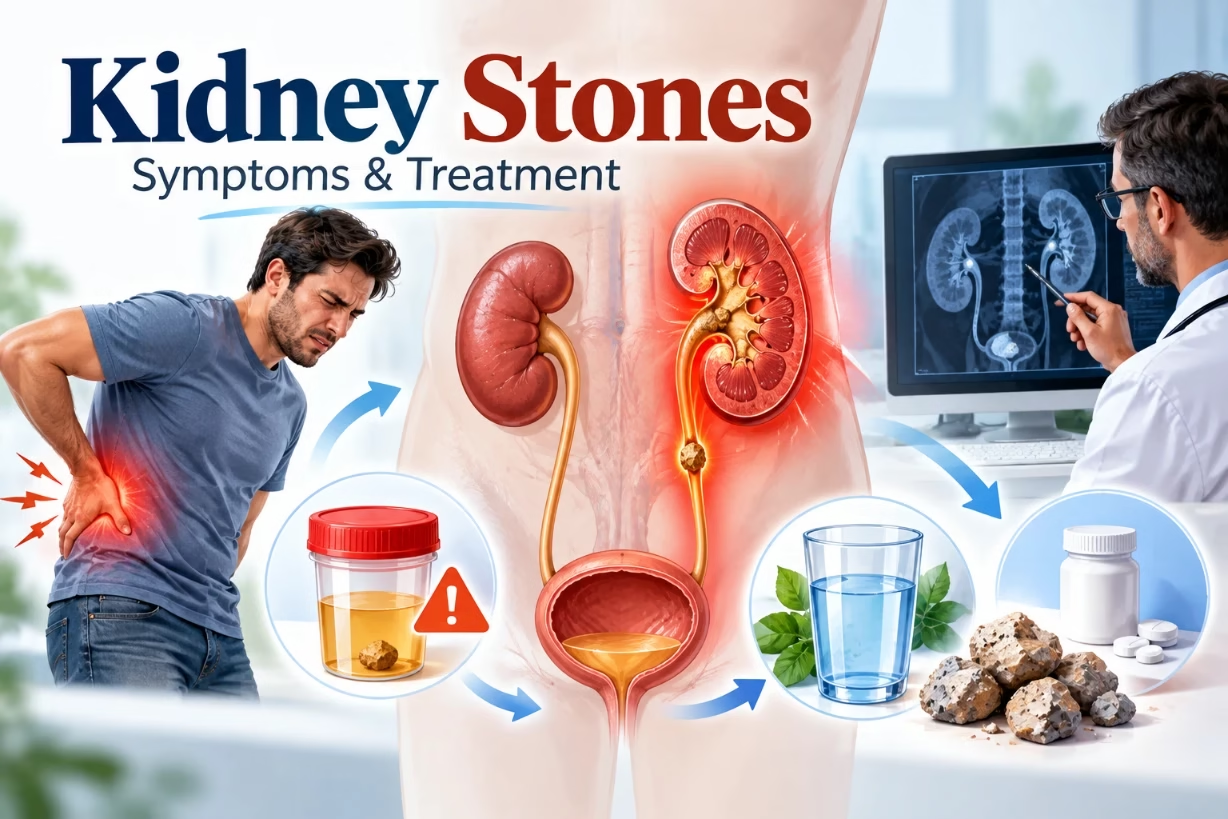
Kidney stone symptoms can range from mild back discomfort to sudden, intense pain that sends you to the emergency room. Knowing early warning signs, medical treatments, and home care options helps you act fast, protect your kidneys, and lower the chance of future stones.
What Are Kidney Stones And Why They Hurt So Much
When I talk about kidney stone symptoms with patients, I often start with what is actually happening inside the body. Kidney stones are small, hard crystals that form in your kidneys from minerals and salts in your urine. They can be as tiny as a grain of sand or as large as a marble, sometimes even bigger.
Your kidneys act like filters. They clean your blood and make urine, which carries waste and extra minerals out of the body. When there is too much of certain substances, like calcium, oxalate, or uric acid, and not enough fluid, these particles can clump together and form stones. While the stone stays in the kidney, you might not feel anything at all. Many people walk around with a small stone and have no idea.
The problem starts when a stone moves into the ureter, the narrow tube that connects the kidney to the bladder. That tube is small and sensitive. A stone scraping its way down feels like barbed wire from the inside. This is the moment kidney stone symptoms turn from quiet to unforgettable. The pressure builds up behind the blockage, the kidney swells, and the nerves in the area fire off powerful pain signals.
Classic Kidney Stone Symptoms You Should Never Ignore
Different people describe kidney stone symptoms in different ways, but there are a few patterns that show up again and again. If you learn these signs, you are more likely to seek help early instead of waiting and hoping the pain magically disappears.
Sudden, Severe Side Or Back Pain
This is the symptom most people remember for the rest of their lives. The pain often:
- Starts suddenly in the side or back, just below the ribs
- May spread to the lower abdomen, groin, or testicles in men
- Comes in waves that get stronger, then ease, then flare again
Many people say it is worse than labor pains or any other pain they have ever felt. Kidney stone symptoms can make it impossible to sit still. I have seen adults pacing, bending over, or lying on the floor, shifting constantly, trying to find any position that helps even a little.
Pain That Moves As The Stone Travels
As the stone moves down the ureter toward the bladder, the pain can change location. It may start high in the back, then slowly shift toward the lower belly or groin. This moving pattern is a key clue that the pain is related to kidney stone symptoms rather than just a pulled muscle.
Blood In The Urine
Another common sign of kidney stone symptoms is blood in the urine. The stone can scratch the delicate lining of the urinary tract and cause bleeding. You might notice:
- Pink, red, or brown urine
- Cloudy or foul-smelling urine
Sometimes the blood is only visible under a microscope, which your doctor can pick up with a lab test. But any visible blood in your urine should be treated as urgent. Even if it is not a stone, you need to know why it is happening.
Frequent Urge To Pee, But Little Comes Out
When a stone moves close to the bladder, it can trigger annoying lower urinary tract symptoms. You may feel like you need to pee often, but only a small amount comes out. Or you might feel a burning sensation when you urinate. Many people mistake these kidney stone symptoms for a simple urinary tract infection at first.
Nausea, Vomiting, And Sweating
Intense pain can set off a chain reaction in your body. Nerves in the kidney share pathways with nerves in the gut. That cross-talk is why strong kidney stone pain often brings:
- Nausea or vomiting
- Cold sweats or clammy skin
- Feeling faint or lightheaded
These symptoms do not prove that kidney stones are the cause, but when they show up along with sharp side or back pain, I take them seriously as part of the kidney stone symptoms story.
Fever Or Chills Are A Red Flag
If you notice kidney stone symptoms along with a fever, chills, or feeling seriously ill, this can mean there is an infection trapped behind a blocked ureter. That situation is an emergency. Bacteria sealed behind a stone can spread quickly through the bloodstream.
Call emergency services or go to the ER immediately if you have:
- Severe pain with fever or shaking chills
- Confusion, fast heartbeat, or trouble breathing
Do not wait to see if it gets better on its own. A blocked, infected kidney can become life-threatening in a short time.
How Doctors Diagnose Kidney Stone Symptoms
When someone comes in with possible kidney stone symptoms, I try to sort through a few key questions. Where is the pain exactly? How fast did it start? Is there blood in the urine? Have you ever had stones before? Those answers guide what tests come next.
Medical History And Physical Exam
First, your doctor will ask about your pain, your urinary habits, your diet, your job, and your medical history. Family history matters, too. If close relatives have had stones, your risk is higher. Then comes a physical exam, checking the belly and back for tender spots, and looking for signs of infection or dehydration.
Urine Tests
A simple urine test can show:
- Blood, even if you cannot see it
- Signs of infection, like white blood cells or bacteria
- Crystals that hint at the type of stone
For people with repeat kidney stone symptoms, doctors may also order a 24 hour urine collection to see how much urine you make and what minerals or salts are too high.
Blood Tests
Blood tests help check kidney function and look for high levels of calcium, uric acid, or other substances linked to stones. They also show whether your body is under stress from infection or dehydration.
Imaging Tests: Seeing The Stone
To confirm kidney stone symptoms, doctors usually need to actually see the stone. The main tools are:
- CT scan of the abdomen and pelvis, which finds most stones quickly and clearly
- Ultrasound, which uses sound waves and avoids radiation, often used for pregnant women and kids
- Plain X ray in some cases, usually for follow up of known stones
These images show not only that a stone is there, but also its size and location. That information is key for choosing the best treatment option.
Types Of Kidney Stones And Why They Matter
Not all stones are the same. When someone passes a stone, I always recommend catching it in a strainer so a lab can analyze it. The type of stone helps explain why it formed and what to do to prevent more kidney stone symptoms in the future.
Calcium Oxalate Stones
These are the most common. They form when calcium combines with oxalate, a natural compound found in many foods like spinach, nuts, and chocolate. Dehydration, high oxalate intake, and certain gut conditions can all raise the risk.
Calcium Phosphate Stones
These stones are linked to changes in urine pH and sometimes to conditions like kidney tube problems or certain hormonal disorders. They are less common but still important to recognize.
Uric Acid Stones
These can form when urine is too acidic. People with gout, high purine diets (lots of red meat and organ meats), or certain metabolic issues have higher odds. These stones can sometimes be dissolved with medicine that changes urine pH, which can ease kidney stone symptoms without surgery.
Struvite Stones
Struvite stones often grow in people who have repeated urinary tract infections with certain bacteria. They can become large and form complex shapes that fill much of the kidney, leading to steady kidney stone symptoms or silent damage.
Cystine Stones
These come from a rare inherited disorder where too much cystine, an amino acid, spills into the urine. People with this condition often face stones from a young age and may have repeated episodes throughout life.
Treatment Options For Kidney Stone Symptoms
The best treatment depends on the size, type, and location of the stone, as well as how much pain you are in and whether there is infection or kidney damage. I like to divide treatment into two big paths: conservative management and procedures.
Conservative Management: Letting Smaller Stones Pass
Many small stones (usually under 5 millimeters) can pass on their own within days to a few weeks. During this time, the focus is on controlling kidney stone symptoms and supporting your body as it pushes the stone out.
Typical steps include:
- Pain relief medicines. Doctors often use anti inflammatory drugs or other strong pain relievers during the worst waves of pain.
- Alpha blockers. These medicines relax the muscles in the ureter, helping stones slide through more easily and reducing kidney stone symptoms.
- Hydration. Drinking plenty of water helps flush the urinary system. Your doctor may suggest aiming for clear or very pale yellow urine.
During this time, you might be asked to pee through a fine strainer to catch the stone. Once it is out, the pain usually drops quickly, and the lab can study the stone to plan prevention.
When Procedures Are Needed
Larger stones, stubborn stones, or stones causing infection or kidney damage usually need more than just time and fluids. Fortunately, modern treatments are much gentler than old style open surgery. The main options include:
Shock Wave Lithotripsy (SWL)
Shock wave lithotripsy uses focused sound waves from outside the body to break stones into smaller pieces. These fragments can then pass more easily over the next days or weeks. It is usually done under light anesthesia so you stay comfortable.
SWL works best for certain sizes and locations of stones, and it is less ideal for very large or very hard stones. Still, it is a common first choice and can bring fast relief from kidney stone symptoms.
Ureteroscopy With Laser
In this method, a thin, flexible scope is passed through the urethra, into the bladder, and up into the ureter. The doctor can see the stone directly and use a tiny laser fiber to break it apart. Small baskets may grab pieces for removal.
This approach is especially useful for stones stuck in the ureter or lower kidney. It avoids cuts on the skin and often allows people to go home the same day. Some patients need a small temporary stent (a hollow tube) in the ureter to keep urine flowing and reduce kidney stone symptoms after the procedure.
Percutaneous Nephrolithotomy (PCNL)
For very large or complex stones, PCNL is often the best option. The surgeon makes a small incision in the back, creates a narrow tunnel into the kidney, and removes or breaks up the stone through that path. This method removes a lot of stone in one go and is often used for big struvite or staghorn stones.
Recovery takes a bit longer than with less invasive methods, but for patients with huge stone burdens and severe kidney stone symptoms, the payoff can be life changing.
Emergency Drainage For Infected, Blocked Kidneys
If a stone is blocking urine flow and there is infection, the first step is not breaking the stone but saving the kidney and the patient’s life. Doctors may quickly place a stent in the ureter or insert a tube through the back of the kidney to drain infected urine. Once the infection is under control, they deal with the stone itself.
Home Relief Tips: What Helps And What Does Not
When kidney stone symptoms hit in the middle of the night, many people look for home remedies. Some methods can ease discomfort, but they never replace medical care, especially if pain is severe or there is fever.
Hydration Strategies
Sipping water all day is one of the best long term habits to lower the risk of kidney stones. During a mild episode, drinking water can help keep urine flowing. However, if you are vomiting or the pain is brutal, forcing fluids can backfire and make you feel worse. In that case, I encourage people to seek urgent medical care instead of trying to tough it out.
Heat For Pain Relief
A warm heating pad or hot shower on the sore side of the back can offer gentle relief. It will not move the stone, but it can relax tight muscles around the area and soften the edge of kidney stone symptoms long enough to get to a clinic or ER.
Be Careful With Over The Counter Painkillers
Medicines like ibuprofen can help with inflammation and pain, but they are not safe for everyone, especially people with kidney disease, stomach ulcers, or certain heart conditions. If you are unsure, talk to a doctor or pharmacist before taking large or repeated doses.
Preventing Future Kidney Stone Symptoms
Once someone has had a stone, the chance of another one is fairly high over the next years. The good news is that smart lifestyle changes and sometimes medicines can lower that risk. I find this part of the conversation gives people a real sense of control after a scary experience.
Drink Enough Fluids Every Day
Aim for enough fluid so your urine stays light yellow or almost clear. That usually means at least about 2 to 3 liters of fluid a day for many adults, unless your doctor gives a different target. Water is best, but some low sugar drinks count too. Spreading your fluid intake through the whole day, and including a glass of water before bed, helps keep kidney stone symptoms from coming back.
Watch Salt Intake
Too much salt in your diet makes your kidneys spill more calcium into the urine, which encourages calcium based stones. Simple changes help:
- Limit fast food, processed snacks, and instant noodles
- Taste your food before adding extra salt at the table
- Check labels and choose lower sodium options when you can
Balanced Calcium, Not Zero Calcium
A common mistake is to cut out all calcium rich foods after a stone. In most cases, that actually raises the risk of stones, because normal calcium in the gut binds to oxalate and carries it out of the body. Very low calcium intake leaves more free oxalate to cause trouble.
Instead of avoiding dairy or other calcium sources completely, work with your doctor or dietitian on a healthy, balanced intake that matches your needs.
Adjust Oxalate And Animal Protein
For people with calcium oxalate stones, it may help to limit high oxalate foods such as spinach, beets, nuts, and very dark chocolate. This does not mean you can never eat them again, but portion size and frequency matter.
High animal protein intake, especially from red meat and organ meats, can raise uric acid levels and make urine more acidic. Shifting some of your protein toward beans, lentils, or plant based sources can support stone prevention and reduce kidney stone symptoms risk over time.
Medicines For High Risk Patients
Some people need more than diet changes. Depending on your stone type and lab results, your doctor may suggest:
- Thiazide diuretics to reduce calcium in the urine
- Citrate supplements to make urine less stone friendly
- Medicines that lower uric acid for certain uric acid stones
These medicines work best as part of a full plan that also includes hydration and thoughtful food choices.
When To Seek Immediate Medical Help
Kidney stone symptoms overlap with other serious conditions like appendicitis, ectopic pregnancy, aortic problems, or gallbladder attacks. You should not try to self diagnose if the pain feels different from anything you have had before.
Get urgent care or call emergency services if you notice:
- Sudden, severe side or back pain that will not ease
- Pain plus fever, chills, or feeling very sick
- Blood in your urine with clots or heavy bleeding
- Trouble passing urine or almost no urine at all
- Pain plus dizziness, fainting, or chest discomfort
Quick treatment protects your kidneys and your overall health. Even if it turns out not to be a stone, ruling out dangerous causes is always worth it.
Living With And Beyond Kidney Stone Symptoms
Kidney stone symptoms can be one of the most painful experiences a person faces, but they also serve as a wake up call. Once you understand what causes stones, recognize early warning signs, and know your treatment options, you are no longer just reacting. You become an active partner in protecting your kidneys.
Work closely with your doctor, urologist, or kidney specialist, ask questions, and keep a record of your episodes and test results. Every stone tells a story about your body chemistry, your habits, and sometimes your family history. Listening to that story is the key to calmer years ahead with fewer kidney stone symptoms and a stronger sense of control over your health.