
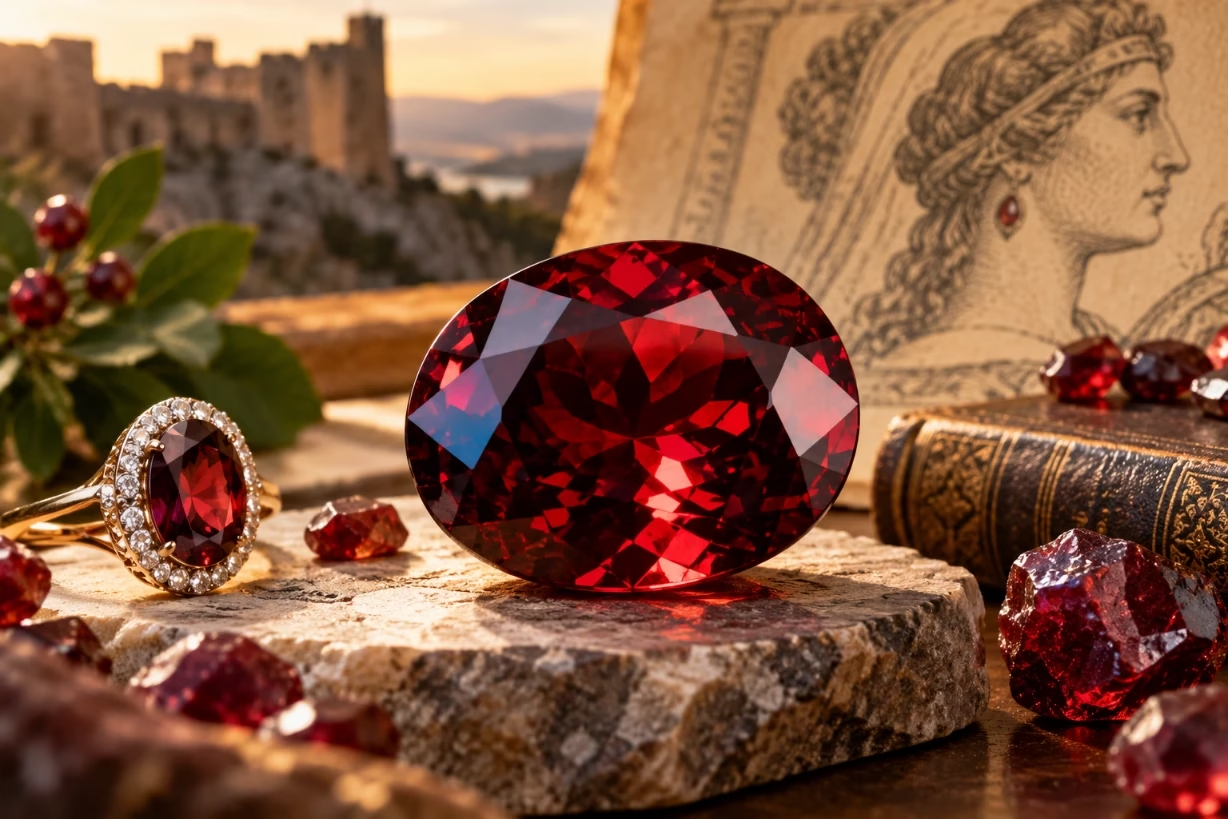
January birthstone garnet is a deep red gemstone linked with protection, loyalty, and new beginnings. For centuries, people have worn garnet for strength, guidance, and emotional balance, making the january birthstone a meaningful symbol for anyone born at the start of the year.
What Makes Garnet The January Birthstone
When most people hear “January birthstone,” they picture a rich red gem that looks a bit like glowing embers in a fire. That stone is garnet. Garnet has been tied to January for many generations, across cultures and belief systems, and it carries a mix of meanings that fit the feeling of a new year starting.
I like to think of the january birthstone as a bridge between endings and beginnings. January sits right after the close of one year and at the door of the next. Garnet’s color looks like a burning coal, something that did not go out with the old year but keeps glowing with new life. That is part of why it feels so right as the stone for this month.
Garnet is usually known for its deep red tone, but it actually comes in other colors too, like green, orange, and even rare blues. Even with these many shades, the classic red version became the main symbol for the January birthstone, especially in Western traditions. When people talk about january birthstone jewelry, they almost always mean red garnet.
Garnet Meaning: What The January Birthstone Symbolizes
If you ask several jewelers or historians what garnet means, you will hear a few themes over and over again: protection, love, loyalty, strength, and guidance. These ideas show up in old stories, healing traditions, and modern crystal culture.
A Symbol Of Protection And Safe Travel
For a long time, travelers carried garnet as a sort of spiritual safety light. In older times, people believed the january birthstone could guard someone on long journeys, especially at night. There are stories of warriors and soldiers wearing garnet into battle, trusting it to shield them from harm or at least keep their spirits strong.
Because garnet looks like a glowing coal or a bright drop of wine, people connected it to inner fire. That inner fire was seen as courage when stepping into danger or unknown places. Even today, some people wear january birthstone jewelry when they move to a new city, start a new job, or enter a new phase of life as a kind of quiet comfort and protection charm.
Love, Loyalty, And Deep Bonds
Garnet also carries a strong link to love and commitment. Couples have traded garnet rings or pendants to show faithfulness, much like promise rings. In some traditions, the january birthstone stands for a love that can last through hard times, not just the soft and easy parts.
Red garnet in particular is often tied to the heart, emotions, and passion. But it is a steady sort of passion, more like a glowing ember that keeps giving warmth, not a quick spark that burns out. Because of this, people sometimes give garnet to celebrate anniversaries or long friendships, not only birthdays.
Strength, Grounding, And Confidence
On the emotional and mental side, garnet is often seen as a grounding stone. When life feels shaky, the january birthstone is said to help someone feel more centered and sure of themselves. Its deep color suggests weight, steadiness, and roots.
Some people use garnet during meditation or stressful times because they feel it helps them stand their ground. While there is no proof in a scientific sense, the ritual of holding a stone and focusing your breath around it can itself be calming. For many, the january birthstone becomes a personal reminder to stay strong, keep moving, and trust their own path.
New Beginnings And Fresh Energy
Since January marks the start of the calendar year, many people look at garnet as a symbol of new beginnings. The stone’s fire-like red hints at energy, drive, and determination. It is often suggested for people who want to set goals, start healthier habits, or clear out old emotional patterns.
When I picture someone wearing their january birthstone in early January, I imagine them carrying a tiny flame of motivation around with them. Maybe it does not magically change their life, but it can act like a small promise they make to themselves.
A Short History Of Garnet Across Cultures
The story of garnet stretches back thousands of years. Even before it became locked in as the january birthstone, this gem moved through many cultures and carried a lot of meanings.
Ancient Egypt And The Glow Of Life
In ancient Egypt, red stones like garnet were treasured for their life-like color. They looked similar to blood, which was seen as sacred and full of life force. Garnet beads have been found in necklaces and burial items from that time. The Egyptians often placed gems with the dead to guide and protect them in the afterlife, and garnet likely played that same role.
Greece, Rome, And The Name “Garnet”
The actual name “garnet” came later from the Latin word “granatum,” meaning pomegranate. If you have ever opened a pomegranate and seen the juicy red seeds inside, you can see the connection right away. Garnet crystals, especially the small dark red ones, look very similar.
In ancient Rome, people used garnet in carved signet rings. These rings were used to stamp wax seals on letters and documents. If someone wore a garnet signet ring, it said something about their status and personal style. Garnet traveled along trade routes, so it spread widely and was prized for both beauty and symbolism.
Garnet In The Middle Ages
During the Middle Ages in Europe, garnet was considered a stone that could drive away sadness, protect from wounds, and even guard against poison in some legends. You can find references to knights wearing garnet as talismans on their armor or in their clothing. The january birthstone often showed up in religious art and jewelry, symbolizing sacrifice, devotion, and spiritual fire.
The Victorian Era And Romantic Garnet Jewelry
Jump ahead to the 1800s and you see another big moment for garnet. In the Victorian era, dark red garnets became very fashionable. One famous style was called Bohemian garnet jewelry, made with tiny, densely packed red stones that looked like a sparkling crust of wine-colored light.
Victorians loved secret meanings and symbolic gifts. Garnet, with its ties to faithfulness and deep feeling, fit that mood perfectly. Even though people at the time might not have talked about the “January birthstone” the way we do now, many born in January would have been drawn to this gem for its growing popularity and layered meaning.
How Garnet Became The Modern January Birthstone
The idea of linking each month of the year to one main gemstone has roots in older traditions, but the modern birthstone lists that most jewelers follow today formed in the last couple centuries. In the early 1900s, groups like the American National Retail Jewelers Association helped standardize which stone fit each month.
Garnet ended up as the january birthstone on these lists for several reasons. It was widely available, it had a long and respected history, and red was seen as an energizing color that matched the spirit of the first month of the year. Since then, January and garnet have been firmly tied together in both marketing and culture.
Today, when you walk into a jewelry store and ask about the January birthstone, you will almost always be shown garnet pieces. Even online shops will group items under sections like “January birthstone necklaces” or “January birthstone rings,” and those will be all about garnet.
Garnet Colors And Varieties Beyond Classic Red
Even though red is the classic january birthstone shade, garnet is not just a single stone. It is actually a group of related minerals. Each type has its own color range and sometimes its own trade name.
Common Types Of Garnet
Here are a few of the most well-known forms of garnet that you might see when looking for january birthstone jewelry:
- Almandine garnet usually has a deep red color with a touch of brown or purple. This is one of the most common types used for the January birthstone.
- Pyrope garnet often shows a pure, rich red, sometimes with a hint of dark cherry or wine. It is another favorite for january birthstone rings and pendants.
- Grossular garnet can be green, yellowish, or even colorless. The vibrant green variety is called tsavorite, which is highly valued.
- Spessartine garnet tends to be orange to orange-red, sometimes bright like a sunset.
Even though green and orange types are not what people first imagine for the january birthstone, some modern designers love playing with the full rainbow of garnet. This gives people born in January more options to fit their style while keeping a real connection to their birth month.
Spiritual And Emotional Uses Of The January Birthstone
Many people today use crystals as part of their personal or spiritual practice. Garnet, as the january birthstone, fits comfortably in that world as well. While everyone’s beliefs are different, certain themes around this stone show up a lot.
Garnet For Energy And Motivation
Some people see garnet as a stone that wakes up tired energy. They might carry a small january birthstone tumble stone in a pocket when they feel low on drive, or keep a garnet bracelet at their desk where they work. The deep red color suggests warmth and movement, like blood flowing faster after a brisk walk.
If you like to set New Year goals, it can feel grounding to hold your garnet while you write them down. This simple act can help your brain link the visual of the stone with your new plans, which might keep those plans in your mind longer.
Garnet For Emotional Healing
Another common belief is that garnet supports emotional healing, especially around trust, betrayal, or heartbreak. Because the january birthstone is linked to loyalty and faithfulness, people sometimes use it when they are trying to rebuild trust in themselves or in others after a painful time.
Of course, healing always takes time, and a stone is not a shortcut. But having a physical reminder can be comforting. When someone twists their garnet ring absentmindedly, it might remind them of a promise to be kinder to themselves or to stay open to love again when they are ready.
How To Choose January Birthstone Jewelry
If you are born in January or shopping for someone who is, the january birthstone opens up a wide world of jewelry choices. Here are a few points I find helpful when picking out pieces.
Decide On The Garnet Color And Style
First, think about which color of garnet feels right. Do you love the classic deep red? Or are you drawn to a glowing orange or a fresh green? All of these are still part of the garnet family, even if only the red is the traditional January birthstone shade.
Next, look at the cut and shape. Round and oval cuts give a soft, timeless look. Emerald cuts and cushion cuts feel a bit more bold and vintage. Tiny, clustered stones can sparkle a lot, while one large stone looks more dramatic and focused.
Pick The Right Metal
Garnet works well with many metals. Yellow gold gives a warm, classic look that pairs beautifully with red stones. White gold and sterling silver create a cooler, modern feel that can make the january birthstone look extra crisp and bright. Rose gold adds a romantic touch.
I like to think about the person’s skin tone and what they already wear. If their favorite pieces are silver, then a january birthstone ring in white gold or silver will likely blend into their daily style more smoothly.
Consider Daily Wear Vs Special Occasion
Garnet is fairly durable for everyday jewelry, but it is not as hard as diamond or sapphire. For daily rings and bracelets that might see more bumps, look for settings that protect the stone, like bezel or halo designs. For earrings and pendants, where stones are less likely to be knocked, more open prong settings can show off the garnet’s depth and color.
Caring For Your January Birthstone Garnet
If you want your january birthstone jewelry to stay beautiful for years, a little care goes a long way. Garnet ranks around 6.5 to 7.5 on the Mohs hardness scale, which means it can scratch if rubbed against harder materials.
Simple Cleaning At Home
For basic cleaning, I suggest a bowl of warm water with a few drops of mild dish soap. Soak your garnet piece for a few minutes, then gently scrub it with a soft toothbrush, paying attention to the back of the stone where lotion and oils collect. Rinse well with clean water and pat dry with a soft cloth.
Avoid harsh chemicals or cleaners with bleach or ammonia. These can damage both the stone and the metal setting. Also, be careful with steam or ultrasonic cleaners if your garnet has any cracks or other fragile traits.
Smart Storage Habits
When you are not wearing your january birthstone jewelry, store it separately from harder stones like diamonds or sapphires. A small fabric pouch or a separate slot in a jewelry box works well. This helps protect the garnet from scratches and keeps the metal setting from getting scuffed.
If you wear your garnet ring every day, it is a good habit to take it off before hard tasks like cleaning, gardening, or lifting heavy items. This keeps both the stone and the setting safer over time.
Modern Ways To Wear The January Birthstone
One thing I enjoy about garnet is how flexible it is in modern fashion. You can go traditional and classic, or lean into bold, creative pieces that still honor the january birthstone.
Minimalist January Birthstone Pieces
For daily wear, many people like small, subtle designs. A tiny garnet stud earring, a thin ring with a single stone, or a delicate pendant can carry the meaning of the january birthstone without feeling too formal or heavy. These are easy to layer with other pieces, so you can wear your birthstone alongside your favorite chains or bands.
Statement Jewelry And Vintage Styles
If you like more drama, garnet shines in big cocktail rings, chandelier earrings, and vintage-style necklaces. The deep red looks especially stunning in antique-inspired settings with detailed metalwork. Many estate and vintage shops carry older garnet jewelry, sometimes from the Victorian era, which adds another layer of history to the january birthstone story.
Men’s January Birthstone Jewelry
Garnet is also a strong choice for men’s jewelry. A bold garnet signet ring, cufflinks with dark red stones, or a simple pendant on a leather cord all feel grounded and powerful without being flashy. The january birthstone works well with both casual and formal looks, especially in darker, more understated designs.
Why The January Birthstone Still Matters Today
Some might ask why birthstones still hold such a strong place in modern life. For me, the answer is simple. The january birthstone is a small, beautiful focus point for meaning. It connects your birthday to a story far bigger than just one person. It ties your life to ancient symbols of courage, loyalty, and inner fire.
Wearing garnet does not have to be mystical to feel special. Maybe you wear it because your grandmother did, or because you love the color, or because you want a reminder to stay strong during a challenging season. No matter your reason, the january birthstone gives you a quiet symbol you can carry, touch, and see every day.
As long as people keep seeking symbols that make them feel seen, rooted, and hopeful, garnet will stay much more than a pretty red stone. For those born in the first month of the year, the January birthstone remains a powerful sign of who they are and how they step into every new beginning.