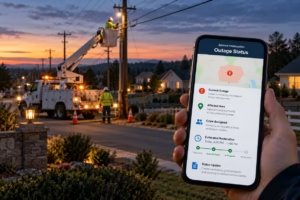
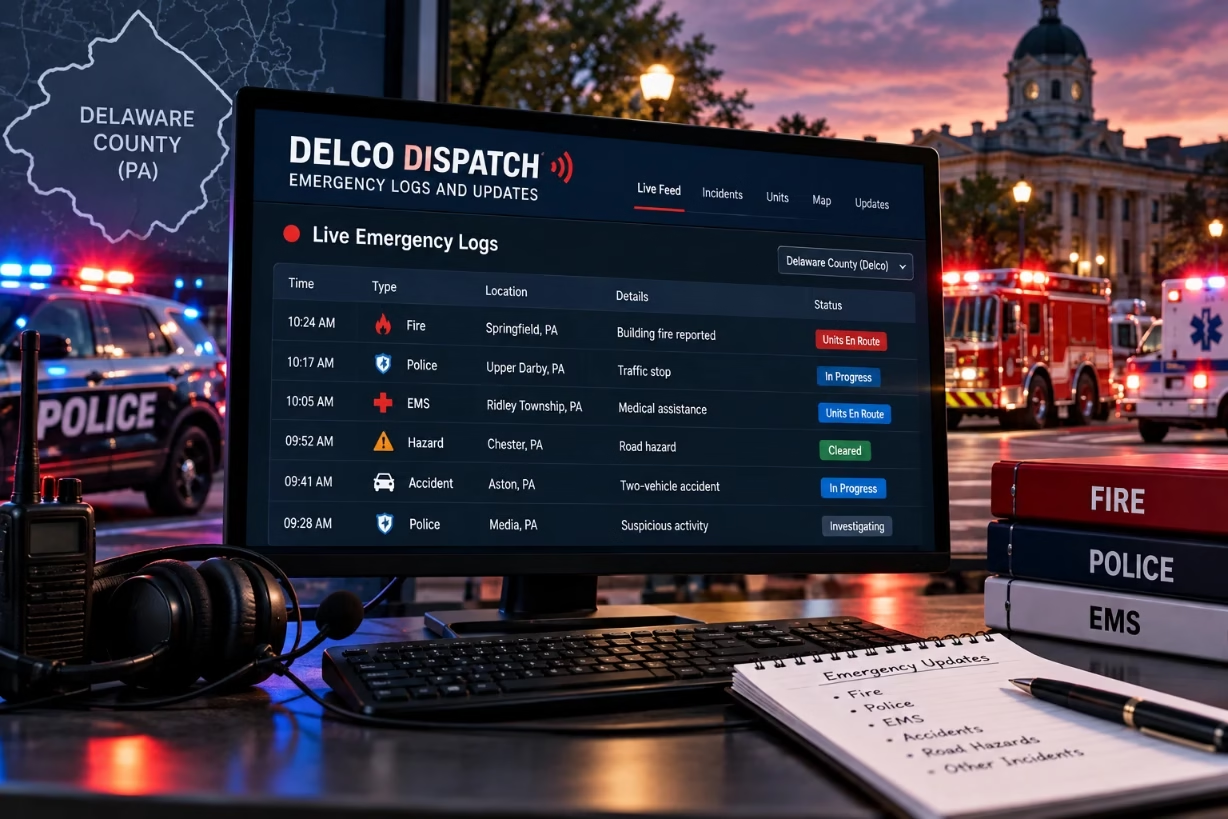
Delco dispatch emergency logs and updates give you a near real time window into police, fire, and EMS activity in Delaware County, Pennsylvania, so you can stay aware of local incidents, traffic issues, weather calls, and public safety trends that may affect your daily life.
When I first started digging into delco dispatch emergency logs, I was surprised by how much useful information they hold for regular people, not just first responders. If you live, work, or travel through Delaware County, those radio calls and incident updates tell a day by day story about safety, storms, crashes, and community issues that never make the news.
What delco dispatch Actually Is And Why It Matters
Delco dispatch usually refers to the 911 dispatch and radio traffic for Delaware County, along with public facing tools that share emergency logs, live audio, or delayed incident feeds. At the core, you have call takers and dispatchers answering 911 calls, sending police, fire, and EMS, and tracking every detail in a computer aided dispatch system.
From the outside, people see delco dispatch through things like:
- Online scanner streams with live or delayed radio audio
- Incident logs showing type of call, town, and time
- Social media pages that post major calls based on radio traffic
- Community tools that show traffic crashes, fire calls, or road closures
When you hear the phrase delco dispatch, it usually blends all of these together in everyday talk. People say things like, “I saw it on delco dispatch” or “delco dispatch is blowing up with calls in Ridley right now,” even if they are actually talking about a third party site that shares public data.
How Emergency Logs And Updates Work Behind The Scenes
To understand delco dispatch logs, it helps to picture what happens from the moment someone dials 911. The caller reaches a trained call taker who asks key questions: where is the emergency, what is happening, is anyone hurt. While the caller is still on the line, that information is typed into the dispatch system and coded as a specific type of incident.
From there, the dispatcher sends the right units on the radio, such as:
- Local police department, sheriff, or state police
- Volunteer or career fire company closest to the address
- Basic or advanced life support ambulance for medical calls
Each step adds another line to the emergency log: time of call, time dispatched, units responding, units on scene, and when they clear. Delco dispatch systems may also tag priority level, road names, cross streets, and any hazards such as wires down, gas leak, or weapons involved.
The public usually does not see private information like caller names or exact apartment numbers. What they do see, depending on the platform, often looks like a short summary for each call. Over the course of a day, delco dispatch logs can show dozens or even hundreds of events across the county.
Types Of Incidents You Commonly See In Delco Dispatch Logs
Once you start watching delco dispatch style feeds, patterns jump out. Some types of calls appear over and over. Others pop up only during storms or special events. Knowing what you are looking at helps you read logs without panic and spot items that do need quick attention.
Police Related Calls
Police activity is a big part of any delco dispatch log. You might notice entries such as:
Traffic stops, disabled vehicles, suspicious person, disturbance, domestic incident, theft report, hit and run, accident with injuries (often tagged as “MVA with injuries”), or welfare checks. Many of these do not involve active crime, but they still pull officers and can create traffic delays or temporary road closures.
From a safety point of view, seeing repeated calls for fights or disturbances on the same block at the same time of night might nudge you to choose a different route or adjust your plans. That is one practical way people use delco dispatch updates in their daily routines.
Fire Calls And Hazards
Fire and rescue dispatch traffic has its own rhythm. In the logs, you will often see fire companies toned out for:
Automatic fire alarms, odor of smoke, possible structure fire, vehicle fire, brush fire, wires down, carbon monoxide alarm, elevator rescue, or water conditions during heavy rain. Not all of those mean an active fire, but every one still requires a response.
During a wind storm, you might scroll through delco dispatch updates and see a long run of “tree down,” “wires down,” and “traffic hazard” incidents. That tells you that certain roads may be blocked and that utility crews will likely be busy through the night.
Medical And EMS Calls
EMS calls make up a large share of dispatch activity. They can range from breathing problems, chest pain, and strokes to falls, overdoses, and major trauma from crashes. Delco dispatch logs often show these with broad labels such as “medical emergency,” “unconscious person,” or “rescue assignment.”
You cannot see private medical details, and you do not need them. What helps the public is the general awareness that a serious incident is happening in a certain part of the county, especially if helicopters, multiple ambulances, or rescue tools are involved.
How To Read Delco Dispatch Logs Without Misreading Them
Once you get used to the wording, delco dispatch entries become easier to scan. The challenge is not letting short, coded phrases lead you to wild guesses. I have watched many arguments online start from someone misreading a basic entry.
Here are a few simple habits that help:
- Look for the big picture: number of units, type of call, and whether more help is requested.
- Ignore guesswork: if the log says “unknown incident,” do not fill in the blanks with rumor.
- Notice repeat calls: several calls for the same area can mean a larger issue like a water main break or power problem.
Delco dispatch wording can sound more dramatic than it really is. “Person with a weapon” might end up being a false report. “Possible structure fire” can turn into burned food. On the other hand, a quiet sounding entry like “investigation” sometimes hides a serious, sensitive incident that needs privacy.
Why People Follow Delco Dispatch In Real Time
If you have ever been stuck in traffic near a crash scene and wondered what happened, you already know the pull of delco dispatch style updates. People keep one eye on these logs and feeds for a mix of reasons: curiosity, concern for loved ones, local traffic awareness, or simply feeling plugged into their community.
Practical uses I see most often include:
Neighbors checking delco dispatch after hearing sirens to see if something serious is happening on their block. Commuters watching for major crashes on key highways before they leave work. Parents seeing a call near a school and wanting to know if it is a simple medical run or something higher risk. Local reporters tracking patterns for possible stories, like a string of early morning car theft calls.
Used with a calm mindset, delco dispatch logs can reduce anxiety rather than raise it. You get facts you can see, instead of vague rumors on social media.
Staying Within Legal And Ethical Lines
Public safety radio and logs sit in a gray space for many people. You can listen to some traffic, depending on laws and encryption, and you can read some delayed logs that protect privacy. At the same time, there are clear lines that any ethical user of delco dispatch information should respect.
I keep a few simple rules in mind and recommend others do the same when using delco dispatch feeds:
- Never drive to active scenes just to watch what is going on.
- Do not post names, addresses, or photos of victims drawn from what you think you heard.
- Avoid streaming or reposting radio audio that could expose officer tactics or sensitive operations.
Most dispatch centers share what they share to improve safety and awareness, not to feed gossip. When people treat delco dispatch as a source for entertainment drama, they put that access at risk for everyone.
How Delco Dispatch Updates Help During Major Events
Daily calls are one thing. When a major storm or large scale incident hits Delaware County, the value of reliable delco dispatch data jumps quickly. I have watched severe weather nights where the radio never rests and logs fill with overlapping calls minute by minute.
During events like:
Heavy snow, flooding, long power outages, major highway pileups, or large structure fires, detailed incident logs and verified updates help local leaders, journalists, and regular residents make better choices. You can see which towns are getting hammered by flooding, where roads are impassable, and which shelters or staging areas are being set up.
Even if you only follow delco dispatch through delayed public feeds, the pattern of calls paints a usable map. When you see many water rescues and evacuations listed in one riverfront area, you know to avoid that zone, check on friends, and prepare for possible ripple effects like school closures.
Using Delco Dispatch Information Safely At Home
You do not need to be a first responder or scanner hobbyist to use delco dispatch updates in a healthy, helpful way. Over time, I have seen basic habits that regular people can use to blend this information into everyday life without getting overwhelmed.
A few ideas that work well:
Set specific times to check logs instead of staring at them nonstop. For example, look in the morning and evening for any major overnight incidents or ongoing road closures. Use delco dispatch patterns as a nudge for home safety; repeated gas leak or CO alarm calls in your town might push you to check your own detectors. Pay attention to traffic heavy zones that pop up in logs after school or during rush hour, then adjust your routes or timing.
If you live near train tracks, industrial sites, or busy highways, staying aware of rare but high impact incidents, like hazmat calls or derailments, can matter for family plans and go bags. Delco dispatch logs will usually show those as larger, multi agency responses, which makes them easier to spot among the smaller calls.
The Role Of Social Media And Third Party Pages
When people say delco dispatch online, they often point to private social media pages or independent sites that monitor public radio and logs, then post simplified updates. These can be helpful, especially for people who do not want to learn radio codes or technical language. Still, they come with limits.
A third party page might try to post every notable call in plain English. While that can be easier to read, it adds one more layer between you and the original data. The person running the page might mishear a street name, pick the wrong map pin, or add their own opinion to what should be a neutral update.
This is why I suggest treating delco dispatch social feeds as quick alerts, not final reports. If you see a post about a major fire or crash, wait for confirmed information from official sources when possible, especially before sharing details or making big claims in your own posts.
Trends You Can Spot Over Time In Delco Dispatch Logs
Short term, delco dispatch shows you what is happening now. Long term, those same logs can reveal deeper patterns. I have seen people track months of public data and learn useful lessons about how their county really runs.
Some of the trends you might notice over time include:
- Which intersections or road stretches see repeated crashes, hinting that design or traffic controls may need review.
- Seasonal spikes, such as brush fires in dry spring weather or carbon monoxide alarms during the first cold snap.
- Changes in call load for specific towns as new housing, businesses, or highways open in the area.
By watching how delco dispatch changes month to month, residents gain a grounded sense of where resources are stretched and where prevention efforts could make a real dent in risk. This kind of awareness builds stronger questions for public meetings and budget talks.
Teaching Kids And Teens About Public Safety Using Dispatch Logs
Handled with care, delco dispatch feeds can even be a learning tool for older kids and teens. Instead of treating emergency services as a mystery, you can sit down together and walk through recent incident lists, explaining the basic types of calls and the roles of police, fire, and EMS.
For example, reading through a sequence of calls after a storm can help a young person see how one weather event leads to many separate issues: tree down on wires, odor of smoke from damaged equipment, traffic lights out, carbon monoxide alarms when people run generators, and so on. Dispatch logs connect the dots in a concrete way.
Of course, you will want to filter out any entries that sound too graphic or sensitive and keep the focus on safety lessons. Treat delco dispatch as a way to talk about when to call 911, how to stay calm during an emergency, and why giving clear addresses and landmarks matters.
Balancing Awareness With Mental Health
There is a flip side to having constant access to delco dispatch incidents. If you watch every single call, every hour, you might start to feel like nothing good ever happens in your county. I have met people who became anxious or fearful simply from letting a scanner feed play in the background all day.
The truth is, delco dispatch only shows problems and emergencies. It does not show quiet evenings, safe drives, or happy events. That is why I think it is healthy to set limits. Use the information as a tool, not as constant noise.
If you notice yourself checking logs in the middle of the night for no real reason, or feeling jumpy every time a siren passes, it might be time to step back. Turn off alerts for a while. Remind yourself that first responders are trained to handle those calls so you do not have to carry them in your head.
How Delco Dispatch May Change In The Future
Emergency communications keep evolving. More agencies are encrypting some or all of their radio channels for officer safety and privacy. New systems may share basic incident info by map even while voice audio stays locked down. As these shifts continue, the way the public interacts with delco dispatch will keep changing too.
I expect to see more official dashboards that offer clean, limited details for active incidents such as type, general location, and impact on roads or services. At the same time, there may be fewer raw audio feeds. People who rely on delco dispatch now will likely have to adapt, focusing more on official summaries and less on full radio traffic.
At its core, though, the purpose stays the same. Delco dispatch is about getting help to people who need it as fast and safely as possible, then leaving a record of what happened. If regular residents use that record with care, it can keep them better informed, more prepared, and more connected to how their county actually works under stress.
When you treat delco dispatch emergency logs and updates as a window, not a stage, you gain a steady, realistic sense of local risk. That awareness, used calmly, is one of the most practical tools you can have for daily life in Delaware County and the communities around it.